-
-
Sale!
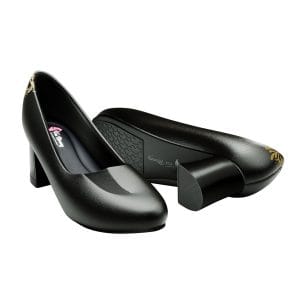
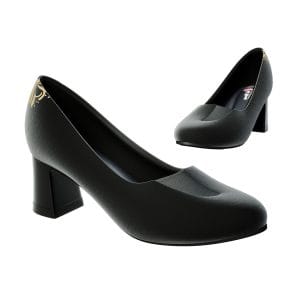
Amelia – Maternity shoes
Comfortable Pregnancy Shoes: Style and Support That Walk With YouOriginal price was: $ 160.00.$ 59.00Current price is: $ 59.00. -
Sale!
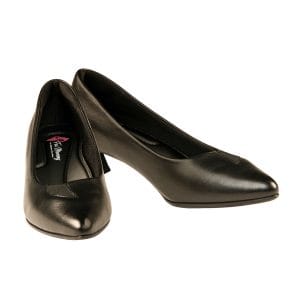
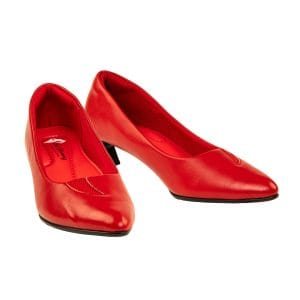
Nova – Maternity shoes
Comfortable Pregnancy Shoes: Style and Support That Walk With YouOriginal price was: $ 160.00.$ 120.00Current price is: $ 120.00. -
Sale!
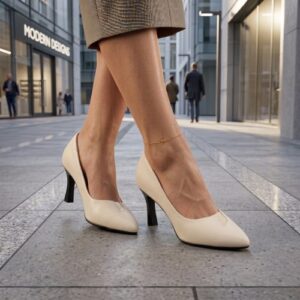
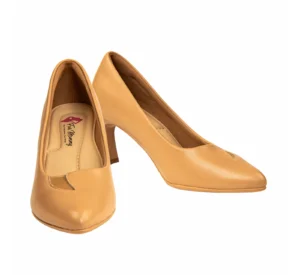
Sol – Maternity shoes
Comfortable Pregnancy Shoes: Style and Support That Walk With YouOriginal price was: $ 160.00.$ 99.00Current price is: $ 99.00. -
Sale!
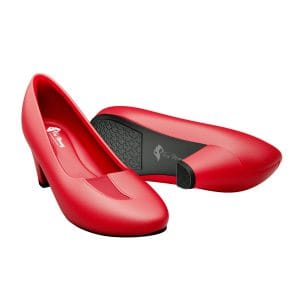
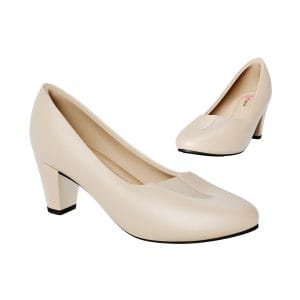
Olivia – Maternity shoes
Comfortable Pregnancy Shoes: Style and Support That Walk With YouOriginal price was: $ 160.00.$ 59.00Current price is: $ 59.00. -
Sale!
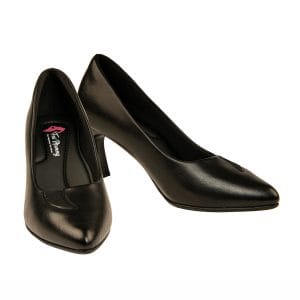
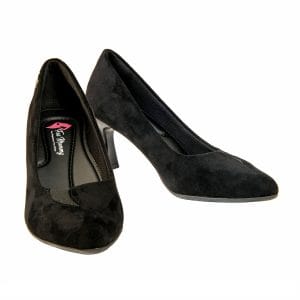
Luna – Maternity shoes
Comfortable Pregnancy Shoes: Style and Support That Walk With YouOriginal price was: $ 160.00.$ 89.00Current price is: $ 89.00. -
Sale!
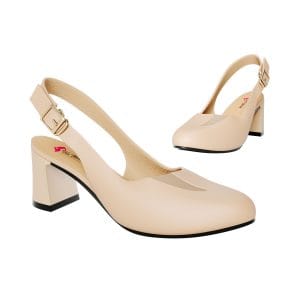
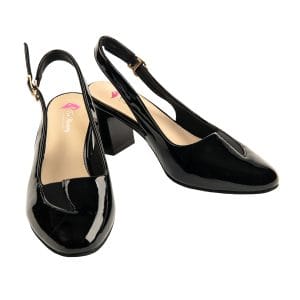
Sophia – Maternity shoes
Comfortable Pregnancy Shoes: Style and Support That Walk With YouOriginal price was: $ 160.00.$ 120.00Current price is: $ 120.00. -
Sale!
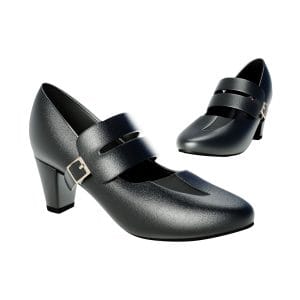
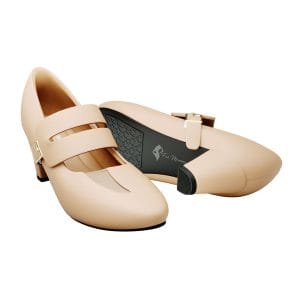
Isabella – Maternity shoes
Comfortable Pregnancy Shoes: Style and Support That Walk With YouOriginal price was: $ 160.00.$ 69.00Current price is: $ 69.00.
Myth #1: Wearing Heels During Pregnancy is Always Dangerous
Truth: Not all heels are bad in pregnancy. You just have to choose comfortable high heels with good support that can actually be safe.
It really depends on the type of heels you wear. Super high and unstable heels are probably not the best idea. Some styles are actually designed to give you support and balance and look stylish, you need to go for that.
Our Best Heels for Pregnancy:


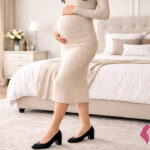
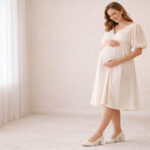
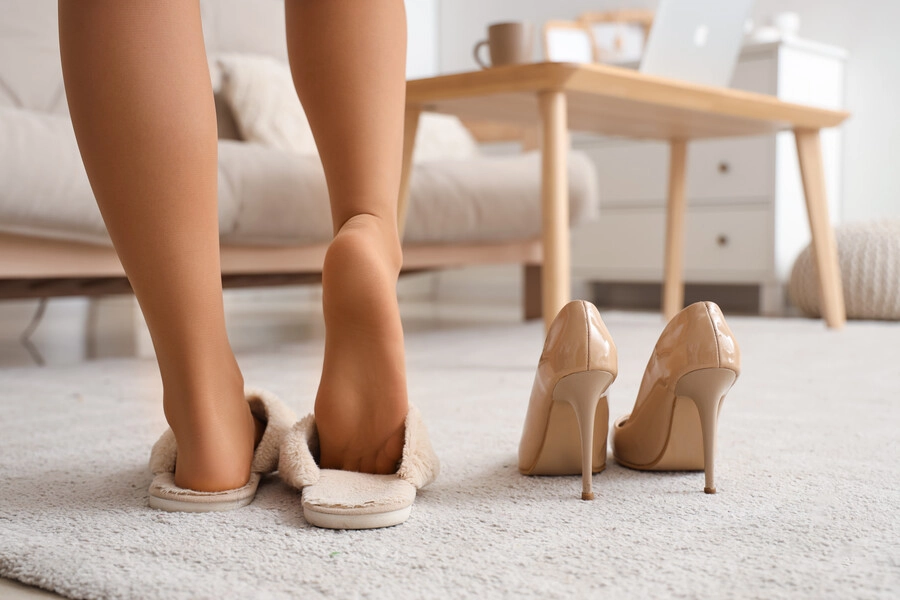
Pump Heels (Nova in Camel, Black Velvet) – A classic, balanced option that gives you support without putting too much pressure on your feet.


Platform Heels (Sophia in Nude, Black) – The platform design helps distribute weight evenly, reducing foot strain.


Supportive Sandals (Isabella in Nude, Black) – Perfect for everyday wear when you want comfort but still want a little height.
Myth #2: Pregnancy Doesn’t Change How You Walk in Heels
Pregnancy shifts your center of gravity. Making it harder to maintain balance.
As your belly grows, your weight moves forward, which changes the way you stand and walk. This can make wearing heels feel different.
How to Stay Balanced in Heels While Pregnant?
- Choose pregnancy shoes that offer ankle support, like Nova pump heels or Sophia platform heels, for extra stability.
- Keep your heel height low to moderate (2 inches or less is best).
- Walk slower and avoid uneven surfaces.
Myth #3: Heels Have No Effect on Your Body During Pregnancy
Truth: Heels can put extra pressure on your ligaments, pelvis, and veins. Especially later in pregnancy.
During pregnancy, your body releases a hormone that softens ligaments to prepare for childbirth. This can make your feet and ankles feel less stable.
Plus, wearing high heels can increase pressure on your pelvis, which may cause discomfort. Poor circulation can also lead to varicose veins and swelling.
How to Protect Your Feet & Body:
Our Supportive heels (like Isabella supportive sandals) help improve circulation and relieve pressure.
Always avoid heels that are too narrow or put too much strain on your arches.
If you notice swelling or pain, switch to lower and more supportive pregnancy shoes.
Myth #4: Any Type of Heels Are Fine During Pregnancy
Truth: Some heels are much better for pregnancy than others.
If you’re going to wear heels, choose ones that give you stability and comfort.
Best Heels for Pregnancy:
- Low Wedges – Give you height but keep you steady.
- Block Heels – More stable than stilettos and help distribute weight.
- Platform Heels (Sophia in Nude, Black) – Keep your feet balanced and reduce strain.
- Supportive Sandals (Isabella in Nude, Black) – Flexible and comfy for everyday wear.
Myth #5: Pregnant Women Should Never Wear Heels
Truth: You can wear heels, all you have to choose is a trusted brand that actually proved shoes to pregnancy.
Choose For-Mommy as a trusted brand for pregnancy heels!
Why?

Our heels are crafted according to Dr. Nof’s recommendations. Ensuring superior comfort and support.
Plus, our heels are designed for ultimate comfort and relief from edema. Our custom-fit shoes provide gentle support for all-day ease.
If you love your heels, you don’t have to give them up completely. Choose For-Mommy!
Tips for Wearing Heels Safely During Pregnancy:
- Stick to low, comfortable high heels designed for pregnancy, like Nova pump heels.
- Avoid standing in heels for long periods.
- Switch between pregnancy shoes and heels to avoid foot pain.
- Choose platform heels (Sophia) or supportive sandals (Isabella) for extra comfort.
Conclusion: You Can Still Wear Heels—Just Be Smart About It
Pregnant women can maintain their heels regardless of their pregnancy status. Pregnant women should select shoes with block heel structures or platforms or sandals that provide superior support for their feet.
Wear these shoes in limited amounts while avoiding lengthy standing periods. Several small changes will let you maintain style but promote comfort without increasing physical strain.
Looking for the perfect pair?
Check out our collection of pregnancy-friendly heels, including:
- Sophia Platform Heels – Stylish and stable
- Nova Pump Heels – Elegant and supportive
- Isabella Supportive Sandals – Comfy for everyday wear
Shop now at for-mommy.com and find the best heels for your pregnancy!
FAQs:
When should I stop wearing heels during pregnancy?
Medical professionals suggest wearing maternity heels or flatties after the second trimester or feeling unsteady during pregnancy according to most doctors.
What type of heels are safest for pregnancy?
Block heels, wedges, or low platform heels are best. For casual days, go for Isabella sandals. If you want something dressy, Nova pump heels are a great choice.
Can wearing heels during pregnancy cause permanent foot problems?
Not if you pick the right ones! But wearing unsupportive heels too often can put stress on your ligaments and back. Stick to comfortable, well-designed maternity heels to avoid pain.