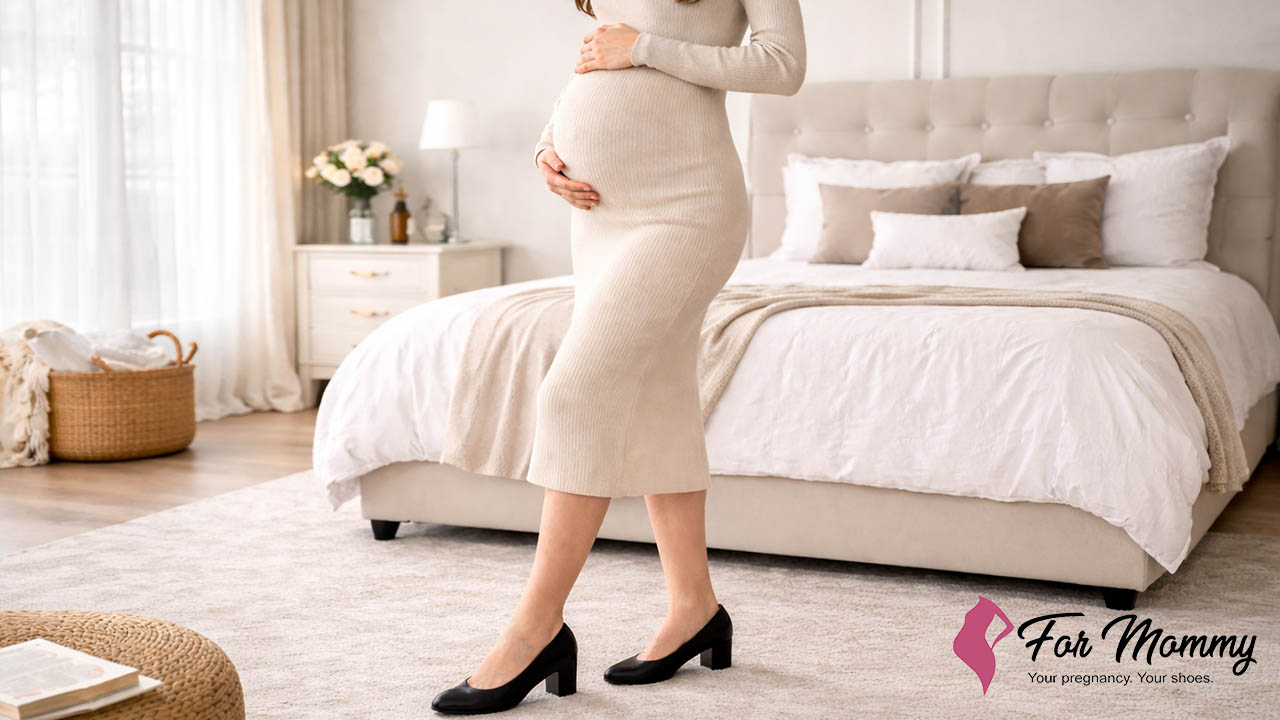
Pregnancy places new physical demands on your body every single day. As your weight increases and your posture shifts, your feet absorb more pressure than ever before. Many women begin to notice swelling, fatigue, heel pain, or a general feeling of heaviness in their legs and feet. Suddenly, shoes that once felt comfortable no longer provide the support you need.
This is why choosing supportive shoes for pregnancy isn’t just about comfort—it’s about protecting your posture, improving stability, and helping your body move more efficiently throughout the day. In this guide, we’ll explain what makes a shoe truly supportive during pregnancy, what features to prioritize, and how pregnancy-focused designs like For Mommy can make a meaningful difference in everyday comfort.
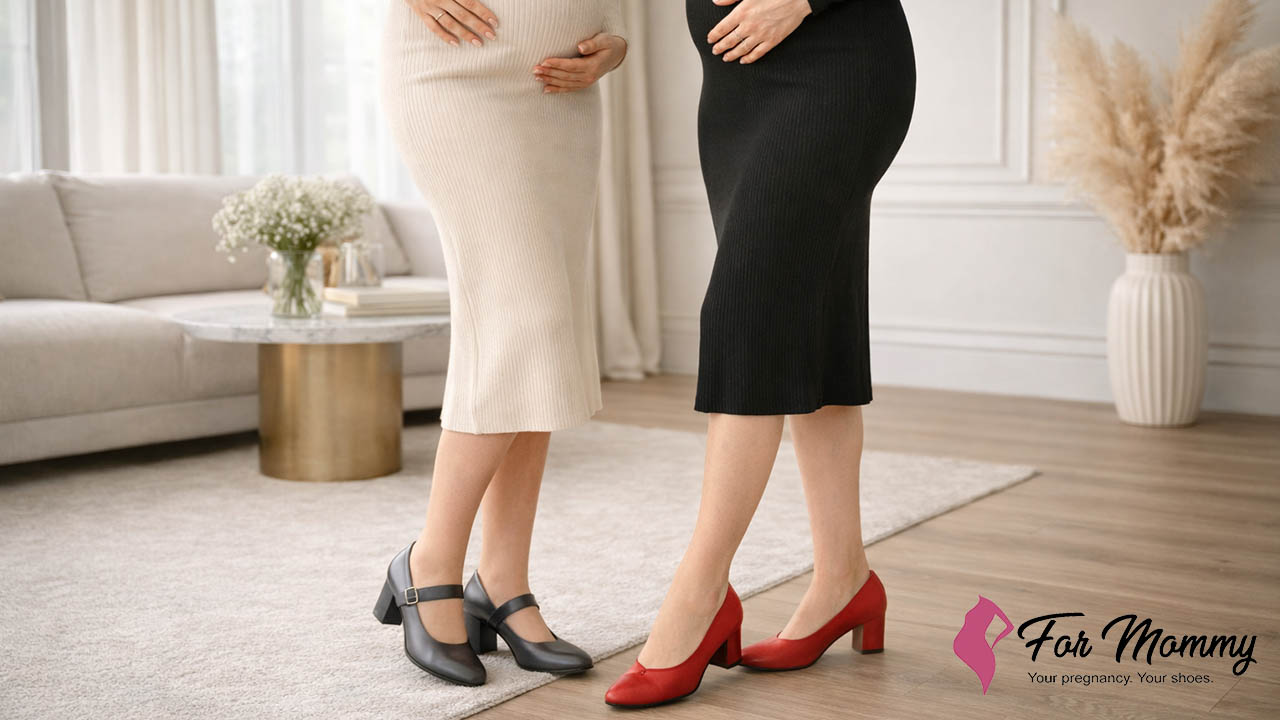
Why Foot Support Becomes Essential During Pregnancy
During pregnancy, several physiological changes affect your feet and lower body:
- Weight gain increases pressure on the arches and heels
- Hormonal changes loosen ligaments, reducing natural foot stability
- Fluid retention causes swelling, especially in the afternoon and evening
- Your center of gravity shifts forward, changing the way you walk
These changes often lead to foot fatigue, arch discomfort, heel pain, and strain that can travel upward into the knees, hips, and lower back.
Supportive footwear helps counteract these effects by stabilizing your foot, distributing weight more evenly, and reducing unnecessary strain. The right shoes don’t just feel better, they help your entire body function more comfortably.
What Makes Shoes Truly Supportive for Pregnancy?
Not all “comfortable” shoes are actually supportive. Many options focus only on softness, which can feel good initially but fail to provide long-term stability.
Here are the key features that define supportive shoes for pregnancy:
1. Proper Arch Support
Your arches work harder during pregnancy due to increased load. A supportive insole helps maintain alignment and reduces pressure on the heel and forefoot.
2. Stable, Balanced Base
Supportive shoes should feel secure underfoot—not overly soft, wobbly, or narrow. Stability is especially important as your balance changes.
3. Shock Absorption Without Collapse
Cushioning should reduce impact but still maintain structure. Shoes that are too soft can compress over time and lead to fatigue.
4. Swelling-Friendly Design
Support doesn’t mean tightness. Materials should adapt to daily swelling without creating pressure points or forcing you to size up excessively.
5. Slip-Resistant Outsole
Good traction improves safety and confidence when walking on smooth or slippery surfaces.
Common Foot Problems During Pregnancy (And How Support Helps)
Many pregnancy-related discomforts are linked to inadequate footwear.
| Common Issue | How Supportive Shoes Help |
| Foot fatigue | Reduces muscle overwork and improves weight distribution |
| Heel pain | Supports the arch and reduces pressure on the heel |
| Swelling discomfort | Flexible uppers adapt without squeezing |
| Lower back strain | Improves alignment and posture |
| Instability while walking | Provides a secure, balanced base |
Supportive shoes won’t replace medical care, but they can significantly reduce everyday discomfort.
Soft vs. Supportive – Why the Difference Matters
One of the most common mistakes during pregnancy is choosing shoes that feel extremely soft but lack structure. While “cloud-like” cushioning feels pleasant at first, it often allows the foot to sink, forcing muscles to work harder to maintain stability.
True support means a balance between cushioning and structure. The goal is a shoe that still feels comfortable after several hours—not just when you first put it on.
-
Luna – Maternity shoes
Original price was: $ 160.00.$ 89.00Current price is: $ 89.00. Select options This product has multiple variants. The options may be chosen on the product page -
Sol – Maternity shoes
Original price was: $ 160.00.$ 99.00Current price is: $ 99.00. Select options This product has multiple variants. The options may be chosen on the product page -
Nova – Maternity shoes
Original price was: $ 160.00.$ 120.00Current price is: $ 120.00. Select options This product has multiple variants. The options may be chosen on the product page -
Sophia – Maternity shoes
Original price was: $ 160.00.$ 120.00Current price is: $ 120.00. Select options This product has multiple variants. The options may be chosen on the product page -
Olivia – Maternity shoes
Original price was: $ 160.00.$ 59.00Current price is: $ 59.00. Select options This product has multiple variants. The options may be chosen on the product page -
Isabella – Maternity shoes
Original price was: $ 160.00.$ 69.00Current price is: $ 69.00. Select options This product has multiple variants. The options may be chosen on the product page -
Julia – Maternity shoes
$ 160.00 Select options This product has multiple variants. The options may be chosen on the product page -
Amelia – Maternity shoes
Original price was: $ 160.00.$ 59.00Current price is: $ 59.00. Select options This product has multiple variants. The options may be chosen on the product page
Choosing Supportive Shoes by Lifestyle
The best supportive shoe depends on how you spend your day.
If You Stand or Walk for Work
Look for strong arch support, shock absorption, and reliable traction.
If You’re Mostly Active with Errands and Daily Movement
Prioritize stability, easy wear, and swelling-friendly materials.
If You Need a Professional Look
Choose supportive designs that maintain a polished appearance without sacrificing comfort.
This balance between function and style is one of the reasons many women seek pregnancy-specific footwear.
The For Mommy Approach to Supportive Pregnancy Footwear
Many shoes recommended for pregnancy in the U.S. are general comfort shoes that may work for some women but were not specifically designed for pregnancy-related changes.
For Mommy takes a different approach. Designed by Yaara Sluski and developed around real pregnancy needs, the shoes focus on:
- Adaptive materials that accommodate swelling
- Supportive insoles for improved weight distribution
- Soft interiors that reduce friction and pressure
- A stable structure that enhances walking confidence
- Elegant, wearable designs suitable for work and everyday life
The design is protected by a registered U.S. patent, reflecting its specialized structure and innovation for pregnancy support.
Comparison: For Mommy vs. General Comfort Shoes
| Feature | For Mommy | General Comfort Shoes |
| Pregnancy-focused design | Yes | Usually no |
| Swelling adaptation | Flexible, adaptive materials | Often requires sizing up |
| All-day support | Designed for long wear | Support varies widely |
| Stability | Balanced, secure structure | Some models too soft or unstable |
| Style versatility | Work-to-everyday elegance | Often sporty or overly orthopedic |
For women who want reliable support without trial-and-error, pregnancy-specific design can make the experience much simpler.
When to Start Wearing Supportive Shoes
Many women begin to benefit from supportive footwear during the second trimester, but if you’re already experiencing fatigue or discomfort, switching earlier can improve daily comfort.
Supportive shoes are especially helpful during:
- Long workdays
- Extended walking or standing
- Late pregnancy when swelling increases
- Postpartum recovery, when your body is still adjusting
Extra Tips to Improve Foot Comfort During Pregnancy
Supportive shoes work best when combined with healthy daily habits:
- Elevate your feet for 10–15 minutes after long days
- Avoid standing completely still for extended periods
- Stay hydrated to help manage fluid retention
- Wear breathable, non-restrictive socks
- Rotate shoes if you’re highly active
These small habits can significantly reduce foot fatigue and swelling.
Signs You Need More Support
Consider upgrading your footwear if you experience:
- Persistent foot or heel pain
- A heavy or tired feeling in your feet by midday
- Noticeable swelling that makes shoes feel tight
- Lower back discomfort after standing or walking
- Feeling unstable while walking
If symptoms are severe or unusual, consult your healthcare provider.
Conclusion – Support Your Feet, Support Your Pregnancy
Pregnancy asks more from your body every day, and your feet carry much of that responsibility. Choosing the right supportive shoes for pregnancy can reduce fatigue, improve stability, and help you move through your day with greater comfort and confidence.
For Mommy offers a pregnancy-focused solution designed to address swelling, shifting posture, and increased load—while maintaining a stylish, wearable look. If you’re looking for footwear that truly supports your body through pregnancy and beyond, exploring the For Mommy collection is a smart step toward better daily comfort.
FAQ
- Are supportive shoes really necessary during pregnancy?
Yes. Increased weight, swelling, and posture changes place extra stress on your feet. Supportive shoes help reduce fatigue and discomfort. - Should I size up during pregnancy?
Not always. Instead of simply sizing up, look for shoes with flexible materials that adapt to swelling while maintaining stability. - Can supportive shoes help with back pain?
They may help by improving alignment and reducing strain, especially if you stand or walk frequently. - What type of heel is best during pregnancy?
Low, wide heels or supportive flats with arch support are generally the safest and most comfortable. - Are slip-on shoes a good option?
They can be, as long as they provide proper support and don’t feel loose or unstable. - When should I start wearing supportive pregnancy shoes?
Many women benefit starting in the second trimester, but earlier use is helpful if discomfort appears. - Can I keep wearing these shoes after delivery?
Yes. Many women continue wearing supportive footwear during postpartum recovery. - What’s the most important feature to look for?
A combination of arch support, stability, and swelling-friendly fit provides the greatest comfort throughout pregnancy.
Pregnancy Shoes Engineered by Dr. Nof for Real Pregnancy Needs
Many products marketed in the U.S. as “pregnancy-friendly” are essentially standard comfort shoes—just made with softer materials. For Mommy takes a different approach: truly pregnancy-specific design built around the real physical changes that occur during pregnancy.
Designed by Yaara Sluski, these shoes are developed to support key challenges such as swelling, posture shifts, increased weight load, and the need for dependable stability—without sacrificing a refined, elegant look for everyday wear. The unique construction is protected by a registered U.S. patent, highlighting its innovation and purpose-built functionality for expectant mothers.
On Amazon, many customers have given For Mommy pregnancy shoes 5-star ratings:
-
Sale!
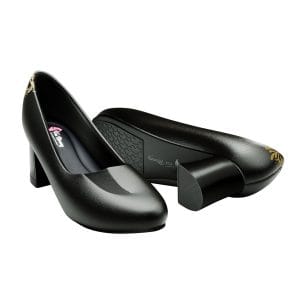
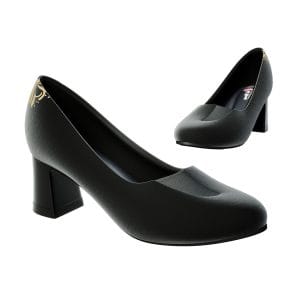
Amelia – Maternity shoes
Comfortable Pregnancy Shoes: Style and Support That Walk With YouOriginal price was: $ 160.00.$ 59.00Current price is: $ 59.00. -
Sale!
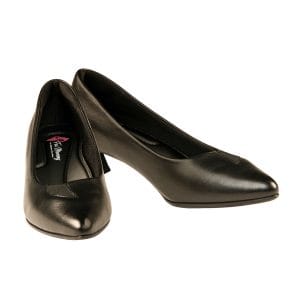
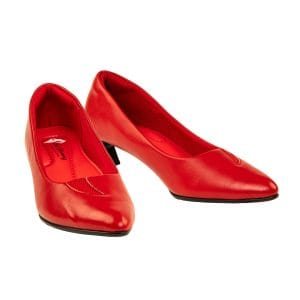
Nova – Maternity shoes
Comfortable Pregnancy Shoes: Style and Support That Walk With YouOriginal price was: $ 160.00.$ 120.00Current price is: $ 120.00. -
Sale!
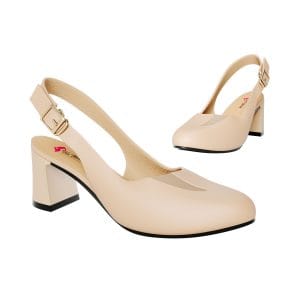
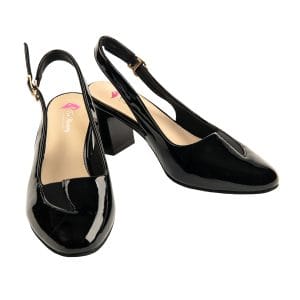
Sophia – Maternity shoes
Comfortable Pregnancy Shoes: Style and Support That Walk With YouOriginal price was: $ 160.00.$ 120.00Current price is: $ 120.00. -
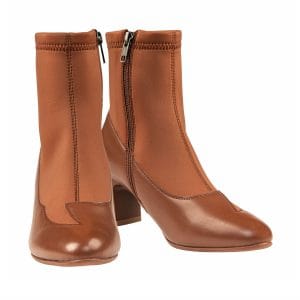
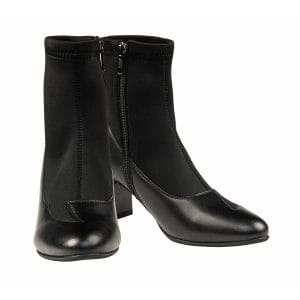
-
Sale!
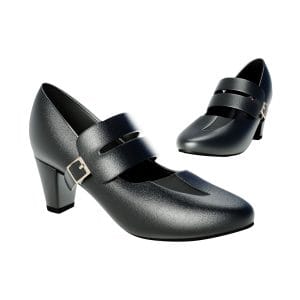
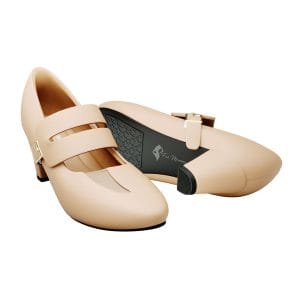
Isabella – Maternity shoes
Comfortable Pregnancy Shoes: Style and Support That Walk With YouOriginal price was: $ 160.00.$ 69.00Current price is: $ 69.00. -
Sale!
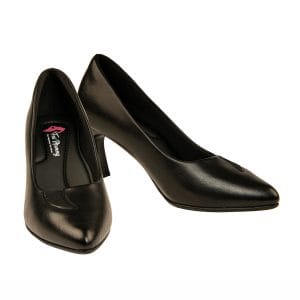
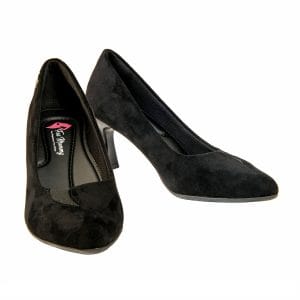
Luna – Maternity shoes
Comfortable Pregnancy Shoes: Style and Support That Walk With YouOriginal price was: $ 160.00.$ 89.00Current price is: $ 89.00. -
Sale!
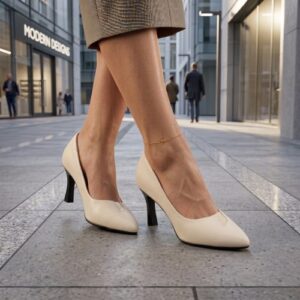
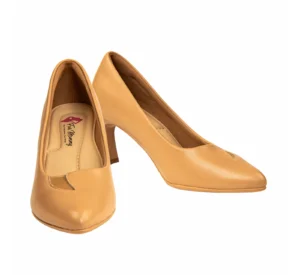
Sol – Maternity shoes
Comfortable Pregnancy Shoes: Style and Support That Walk With YouOriginal price was: $ 160.00.$ 99.00Current price is: $ 99.00. -
Sale!
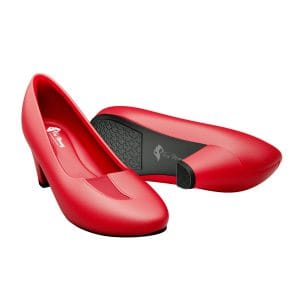
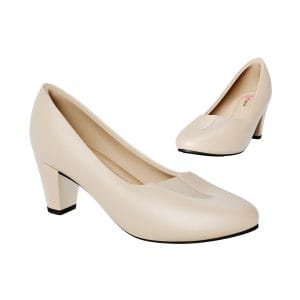
Olivia – Maternity shoes
Comfortable Pregnancy Shoes: Style and Support That Walk With YouOriginal price was: $ 160.00.$ 59.00Current price is: $ 59.00.