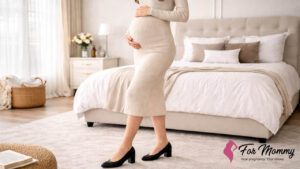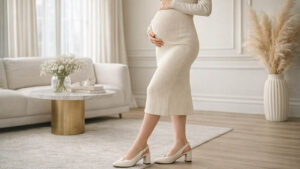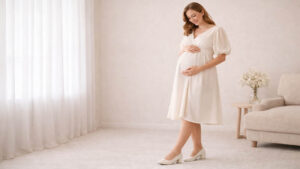
Pregnancy is a beautiful and life changing journey, but it also brings many physical changes that affect the body from head to toe. One of the most noticeable changes many women experience during pregnancy is discomfort in their feet. Swelling, increased body weight, and changes in posture can all put extra pressure on the feet. Because of this, choosing comfortable shoes while pregnant becomes essential for maintaining daily comfort, stability, and overall wellbeing.
Many pregnant women discover that their regular shoes suddenly feel tight, unsupportive, or uncomfortable. This is completely normal, and it is one of the reasons why specialized maternity footwear is becoming increasingly popular. The right pair of shoes can make everyday activities like walking, commuting, or standing at work far more comfortable.
Understanding why footwear matters during pregnancy can help expecting mothers make smarter choices and enjoy a more comfortable daily routine.
Why Foot Pain Is Common During Pregnancy
During pregnancy the body produces a hormone called relaxin. This hormone helps prepare the body for childbirth by loosening ligaments and joints. While this is beneficial for the delivery process, it can also affect the feet by reducing stability in the arches.
As the baby grows, body weight increases and the center of gravity shifts forward. This places additional pressure on the feet, ankles, and lower back. Many women also experience fluid retention, which can lead to swelling in the feet and ankles, especially during the later stages of pregnancy.
Because of these changes, shoes that once felt comfortable may suddenly feel restrictive. This is why many doctors and pregnancy specialists recommend choosing comfortable shoes while pregnant that provide proper support and flexibility.
Features to Look for in Comfortable Pregnancy Shoes
Not all shoes are suitable during pregnancy. The best maternity footwear combines comfort, support, and stability in a design that adapts to the changing body.
One of the most important features is proper arch support. Since pregnancy can flatten the arch slightly, supportive soles help reduce strain on the feet and prevent discomfort after long hours of standing or walking.
Another important factor is cushioning. Soft, shock absorbing soles help reduce pressure on the joints and improve overall walking comfort.
Breathable materials are also highly recommended. Swollen feet can feel hot and uncomfortable inside rigid shoes, so flexible and breathable fabrics help maintain airflow and reduce irritation.
Finally, stability is essential. Shoes with a low heel or supportive base help maintain balance and reduce the risk of slips or falls, which is especially important as the body’s center of gravity shifts during pregnancy.
Choosing Shoes for Work During Pregnancy
Many pregnant women continue working throughout their pregnancy, which often means spending long hours on their feet or commuting daily. Choosing the right work shoes can make a significant difference in daily comfort.
Shoes that combine professional style with ergonomic support are ideal for work environments. A supportive sole, soft interior lining, and a stable heel allow pregnant women to move comfortably throughout the day without sacrificing style.
Elegant maternity shoes that offer support and flexibility are especially useful for office settings, meetings, or professional environments where appearance still matters.
This is why many expecting mothers look for comfortable shoes while pregnant that combine practicality with a polished, modern design.
-
Luna – Maternity shoes
Original price was: $ 160.00.$ 89.00Current price is: $ 89.00. Select options This product has multiple variants. The options may be chosen on the product page -
Sol – Maternity shoes
Original price was: $ 160.00.$ 99.00Current price is: $ 99.00. Select options This product has multiple variants. The options may be chosen on the product page -
Nova – Maternity shoes
Original price was: $ 160.00.$ 120.00Current price is: $ 120.00. Select options This product has multiple variants. The options may be chosen on the product page -
Sophia – Maternity shoes
Original price was: $ 160.00.$ 120.00Current price is: $ 120.00. Select options This product has multiple variants. The options may be chosen on the product page -
Olivia – Maternity shoes
Original price was: $ 160.00.$ 59.00Current price is: $ 59.00. Select options This product has multiple variants. The options may be chosen on the product page -
Isabella – Maternity shoes
Original price was: $ 160.00.$ 69.00Current price is: $ 69.00. Select options This product has multiple variants. The options may be chosen on the product page -
Julia – Maternity shoes
$ 160.00 Select options This product has multiple variants. The options may be chosen on the product page -
Amelia – Maternity shoes
Original price was: $ 160.00.$ 59.00Current price is: $ 59.00. Select options This product has multiple variants. The options may be chosen on the product page
How Comfortable Shoes Improve Daily Life During Pregnancy
The benefits of proper footwear during pregnancy go far beyond comfort. Supportive shoes can help improve posture, reduce pressure on the lower back, and minimize fatigue during daily activities.
Walking becomes easier and more stable when shoes provide proper cushioning and grip. This can be particularly helpful for women who experience increased tiredness or joint discomfort during the later months of pregnancy.
Comfortable shoes can also encourage healthy movement. Light walking is often recommended during pregnancy, and supportive footwear helps make those daily walks safer and more enjoyable.
When the feet feel supported, the entire body benefits.
When to Switch to Pregnancy Friendly Footwear
Many women start noticing foot discomfort during the second trimester. This is usually the stage when swelling and weight changes begin to affect daily movement.
However, there is no single rule for when to change shoes. Some women prefer switching earlier simply to maintain comfort throughout the entire pregnancy.
If shoes start feeling tight, leave marks on the skin, or cause foot fatigue, it is a good sign that it may be time to consider shoes designed specifically for pregnancy comfort.
The goal is simple: support the body during this important time while allowing expecting mothers to continue their daily activities with confidence.
Finding Comfortable and Stylish Maternity Shoes
Modern maternity footwear has evolved significantly. Today, pregnant women no longer need to choose between comfort and style. Many brands now design maternity shoes that provide both elegance and support.
At For Mommy, the focus is on designing footwear that meets the real needs of pregnant women. The collection combines soft materials, supportive soles, and thoughtful design details to create shoes that help expecting mothers feel comfortable and confident throughout their pregnancy.
Whether for work, daily errands, or special occasions, the right shoes can make pregnancy feel more comfortable with every step.
Choosing comfortable shoes while pregnant is not just about fashion. It is about supporting the body during one of the most important stages of life and ensuring that every step feels stable, supported, and effortless.
Pregnancy is a journey full of changes, and the right footwear helps make that journey smoother.
On Amazon, many customers have given For Mommy pregnancy shoes 5-star ratings: