Many products marketed as “pregnancy-friendly” in the U.S. are simply standard comfort shoes made with softer materials. For Mommy takes a different, pregnancy-focused approach. Designed by Yaara Sluski and developed around the real physical changes of pregnancy, the shoes address key challenges such as swelling, shifting posture, increased weight load, and the need for reliable stability while maintaining a refined, elegant look suitable for everyday wear. The unique design is protected by a registered U.S. patent, reflecting its innovation and specialized functionality for expectant mothers.
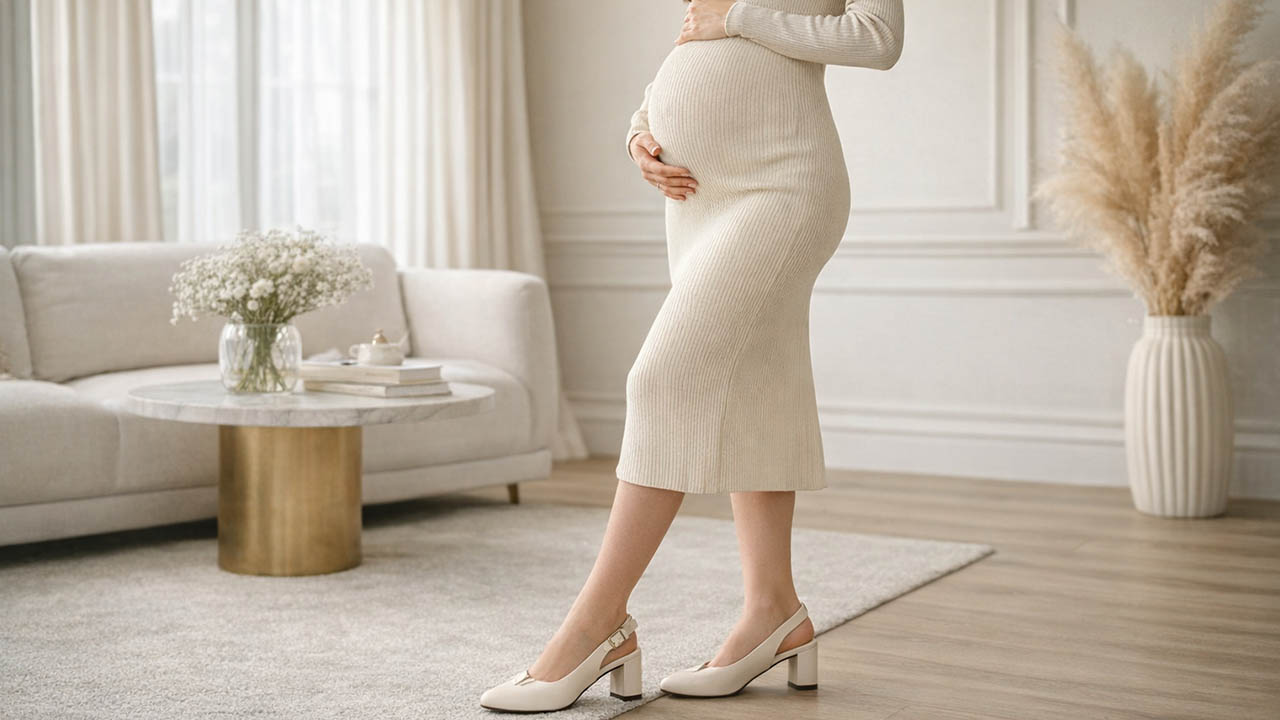
Pregnancy has a way of turning small details into big daily realities especially when it comes to your feet. If your favorite shoes suddenly feel tight, unstable, or just wrong, you’re not imagining it. Swelling, shifting posture, and increased load can make everyday footwear feel like a constant compromise. That’s why so many moms-to-be search for recommended shoes for pregnant women. They’re not looking for luxury they’re looking for relief: shoes that feel comfortable at 9 a.m. and at 7 p.m., shoes that support the arch without feeling stiff, and shoes that stay stable when balance and gait naturally change.
In this guide, you’ll learn exactly what to look for in pregnancy shoes, what to avoid, how to choose by trimester and lifestyle, and why a pregnancy-focused brand like For Mommy with designs built around real pregnancy needs can make your everyday life noticeably easier.
Why Shoes Matter More During Pregnancy
Your feet do a lot more work during pregnancy. As your body changes, your center of gravity shifts forward, joints and ligaments can feel looser, and your stride often adapts without you even noticing. Add fluid retention (swelling) and you get a perfect storm for foot fatigue, pressure points, and discomfort.
When shoes don’t support you properly, your body compensates. You may feel it first in your arches or heels, then in your calves, knees, hips, or lower back. On the other hand, the right shoes can help you feel more stable and reduce that “heavy legs” feeling after a long day. That’s why finding truly recommended shoes for pregnant women is less about trends and more about biomechanics and comfort you can rely on.
The Top Features to Look For in Recommended Shoes for Pregnancy
A pregnancy-friendly shoe should work with your changing body. Use the list below as your non-negotiables when shopping.
1) Swelling-Friendly Fit (Without Feeling Loose)
Many women experience swelling especially in the second and third trimester, and often later in the day. The best pregnancy shoes use adaptive, flexible materials that accommodate swelling without forcing you to size up dramatically.
A shoe that’s simply “bigger” can become unstable; a shoe that flexes and adjusts is usually the smarter solution.
2) Real Arch Support + Balanced Pressure
Softness alone won’t cut it. You want support that distributes load across the foot to help reduce strain on the heel and the ball of the foot. A supportive insole can also help you feel less fatigued after hours of walking or standing.
3) Cushioning That Doesn’t Collapse
Pregnancy comfort needs cushioning but cushioning must be paired with structure. Shoes that are extremely soft can “bottom out” after a few hours, leaving your feet tired and unsupported. Look for cushioning that still holds its shape and stability.
4) Stability and a Secure Base
A stable shoe helps you feel more confident as your balance shifts. A well-designed pregnancy shoe should feel secure underfoot, not wobbly, not overly squishy, and not too narrow.
5) Slip-Resistant Outsole
Traction is underrated until you need it. Pregnancy changes balance, and everyday environments tile, polished floors, grocery stores, sidewalks can be slippery. A slip-resistant outsole is a major safety and comfort win.
6) Soft Interior + Low Friction
Swelling makes skin more sensitive, and friction becomes more noticeable. A soft lining and well-placed seams reduce rubbing and pressure points, especially during longer wear.
7) Easy to Wear (Because Bending Down Gets Harder)
By late pregnancy, putting shoes on can feel like a workout. Comfortable entry, thoughtful design, and a shape that doesn’t require “fighting the shoe” becomes a real quality-of-life feature.
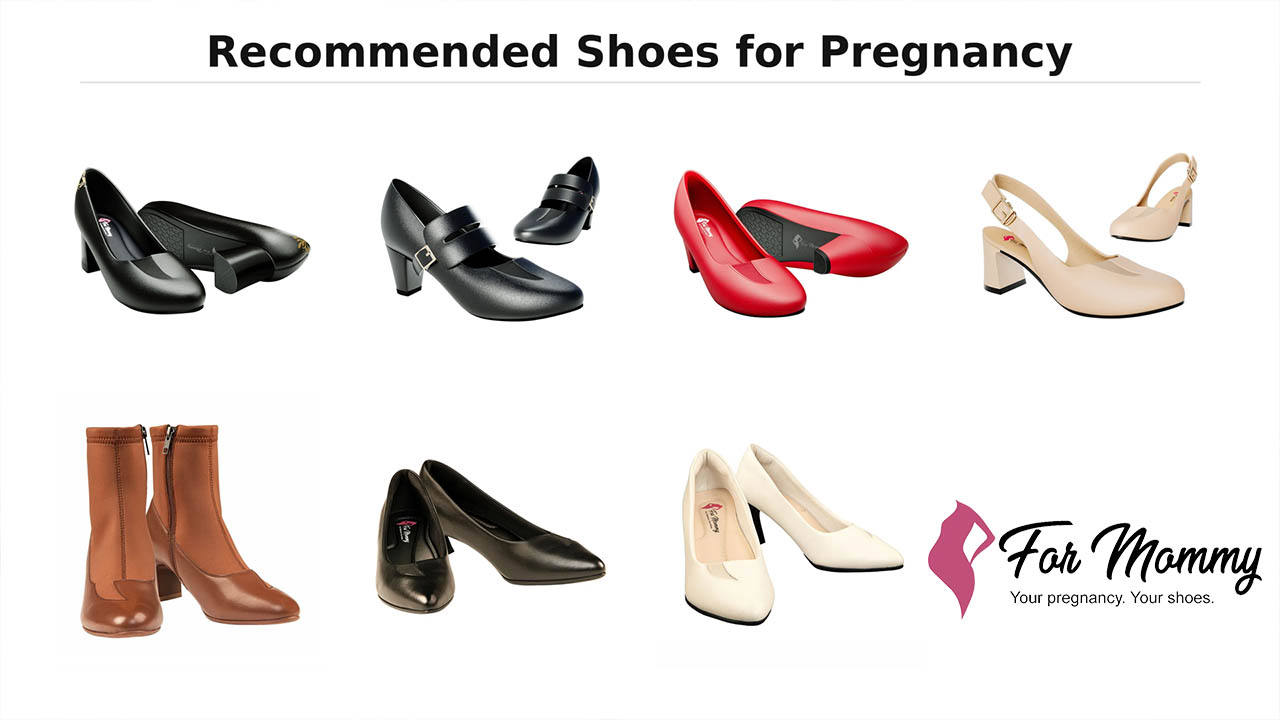
Pregnancy Shoes Engineered by Dr. Nof for Real Pregnancy Needs
-
Luna – Maternity shoes
Original price was: $ 160.00.$ 89.00Current price is: $ 89.00. Select options This product has multiple variants. The options may be chosen on the product page -
Sol – Maternity shoes
Original price was: $ 160.00.$ 99.00Current price is: $ 99.00. Select options This product has multiple variants. The options may be chosen on the product page -
Nova – Maternity shoes
Original price was: $ 160.00.$ 120.00Current price is: $ 120.00. Select options This product has multiple variants. The options may be chosen on the product page -
Sophia – Maternity shoes
Original price was: $ 160.00.$ 120.00Current price is: $ 120.00. Select options This product has multiple variants. The options may be chosen on the product page -
Olivia – Maternity shoes
Original price was: $ 160.00.$ 59.00Current price is: $ 59.00. Select options This product has multiple variants. The options may be chosen on the product page -
Isabella – Maternity shoes
Original price was: $ 160.00.$ 69.00Current price is: $ 69.00. Select options This product has multiple variants. The options may be chosen on the product page -
Julia – Maternity shoes
$ 160.00 Select options This product has multiple variants. The options may be chosen on the product page -
Amelia – Maternity shoes
Original price was: $ 160.00.$ 59.00Current price is: $ 59.00. Select options This product has multiple variants. The options may be chosen on the product page


On Amazon, many customers have given For Mommy pregnancy shoes 5-star ratings:
What to Avoid (Common Mistakes Moms-to-Be Make)
Even with good intentions, many pregnant women end up buying shoes that create new problems.
Overly Soft “Cloud” Shoes With No Support
They feel amazing at first then your feet get tired fast. Without structure and arch support, the foot works harder to stabilize you.
Tight, Non-Stretch Materials
Rigid uppers can squeeze swollen feet and create painful pressure points by afternoon.
High Heels or Narrow Bases
Even moderate heels can change your posture and increase pressure on the ball of the foot. Narrow bases reduce stability.
Slippery Soles
If the outsole is smooth, it’s a risk you don’t need, especially when your balance is already adapting.
Recommended Shoes for Pregnancy by Trimester (Practical Shopping Guide)
Your ideal shoe may change as pregnancy progresses. Here’s how to choose with less trial-and-error.
First Trimester – Build a Supportive Baseline
Even early on, supportive footwear can reduce fatigue and help with long workdays. This is a smart time to invest in support rather than waiting for discomfort to become routine.
Second Trimester – Support and Stability Become Key
This is when many women notice increased foot fatigue, mild heel discomfort, or arch soreness. Choose shoes that feel stable and supportive for daily movement.
Third Trimester – Swelling + Safety + Easy Wear
Adaptive fit and traction become essential. A pregnancy shoe should accommodate swelling, stay stable, and offer reliable grip. Ease of wearing (less bending and struggling) becomes a real priority, too.
Postpartum – Don’t Retire Support Too Soon
After delivery, your body is recovering and you’re often on your feet a lot walking, rocking, carrying. Many women keep supportive shoes in rotation postpartum because comfort still matters (sometimes more than expected).
For Mommy Approach: Pregnancy-Focused Comfort You Can Actually Wear
Many “pregnancy shoe recommendations” in the US point to general comfort brands. Some work well but they weren’t necessarily designed around pregnancy-specific needs like swelling fluctuations, stability demands, and long-day support.
For Mommy is built around the pregnancy experience: supportive insoles, soft interior comfort, flexible materials that can adapt as your foot changes, and a stable feel for everyday confidence. It’s the difference between “this shoe is comfy” and “this shoe was made for what my body is going through right now.”
And just as important: For Mommy designs aim to be wearable for real life workdays, errands, and occasions so you don’t feel forced into overly sporty or overly medical-looking options.
For Mommy vs Common US Pregnancy Shoe Options
Before you buy, it helps to see why pregnancy-specific footwear often wins over “general comfort” shoes in the US market.
Below is a positive comparison that highlights For Mommy strengths versus common alternatives (general comfort/lifestyle/orthopedic options).
| Pregnancy Need | For Mommy | Common US Alternatives |
| Swelling support | Adaptive materials designed to accommodate daily changes | Often requires sizing up or switching pairs |
| All-day arch comfort | Built with a support-focused approach | Support varies; many rely mostly on softness |
| Stability underfoot | Designed to feel secure and balanced | Some feel too squishy or less stable |
| Slip resistance | Emphasis on traction for everyday walking | Traction depends on model; not always priority |
| Work-to-event style | Polished, wearable designs | Often too sporty or too “medical” |
| Pregnancy-specific design | Built around pregnancy needs and movement | Frequently general shoes marketed as pregnancy-friendly |
The takeaway is simple: if you want less guessing and more confidence, a pregnancy-specific solution like For Mommy is often the smoother path.
How to Choose Your Perfect Pair (Fast Checklist)
When you’re deciding between styles, ask yourself:
- Do I stand or walk a lot for work?
- Do my feet swell by afternoon/evening?
- Do I need a shoe that looks professional?
- Do I need strong traction for daily errands?
- Do I want one pair that can cover most of my week?
If you answered “yes” to most of these, prioritize adaptive fit, stability, and supportive insoles those three factors usually create the biggest daily improvement.
Comfort Tips That Make Even Good Shoes Feel Better
Your shoes are one part of the comfort equation. These simple habits can help too:
-
Elevate feet for 10 minutes after a long day
-
Avoid standing perfectly still shift your weight or take short walks
-
Wear breathable socks that don’t compress
-
Rotate shoes if you’re on your feet all day
-
Stay hydrated (it can help with overall comfort and fluid balance)
Small changes can reduce the “heavy feet” feeling and help supportive footwear do its job even better.
When to Talk to a Professional (Red Flags)
Shoes can improve comfort, but consult your healthcare provider if you have severe or sudden swelling, uneven swelling, numbness/tingling, sharp heel pain that doesn’t improve, or pain that affects walking. Getting the right support early can prevent issues from becoming chronic.
Conclusion – The Best Recommended Shoes for Pregnancy Support Your Entire Day
If you’re searching for recommended shoes for pregnancy, you’re doing something smart: you’re protecting your comfort, your stability, and your daily energy.
The best pregnancy shoes combine swelling-friendly fit, real support, stable traction, and wearable style. For Mommy is designed around these exact needs helping you feel supported throughout pregnancy (and often postpartum), without sacrificing the look you want.
If you’re ready to upgrade how you feel on your feet, explore the For Mommy collection and choose the pair that fits your lifestyle work, errands, and everything in between.
FAQ
1) Should I size up when buying pregnancy shoes?
Sometimes, but sizing up can reduce stability. It’s usually better to choose shoes with adaptive materials that accommodate swelling while staying secure.
2) Are flat shoes okay during pregnancy?
Flats can work if they have support. Completely flat, unsupportive shoes often increase fatigue and strain on arches and heels.
3) What’s the most important feature in recommended shoes for pregnancy?
For most women: supportive arch comfort + stable base + swelling-friendly fit. Those three make the biggest everyday difference.
4) Can supportive shoes help with back pain while pregnant?
They may help by improving alignment and reducing strain, especially if you’re on your feet a lot. They’re not a medical cure, but they can be a meaningful support tool.
5) Are slip-on shoes safe during pregnancy?
They can be if they’re stable and supportive. Avoid loose slip-ons that slide on your foot or have slippery soles.
6) When is the best time to buy pregnancy shoes?
Many women benefit in the second trimester, but if you’re already uncomfortable early, buying sooner can improve day-to-day comfort.
7) Can I wear pregnancy shoes after delivery?
Yes postpartum involves a lot of standing and walking. Many women continue wearing supportive shoes during recovery.
8) How do I know the shoe will stay comfortable all day?
Test stability, arch support, and fit later in the day if possible. The right pair should still feel supportive after several hours, not just immediately.
-
Sale!
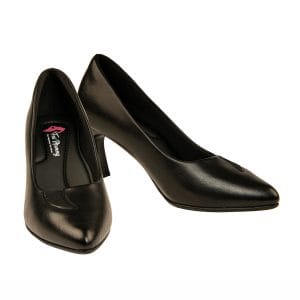
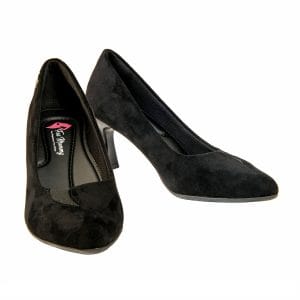
Luna – Maternity shoes
Comfortable Pregnancy Shoes: Style and Support That Walk With YouOriginal price was: $ 160.00.$ 89.00Current price is: $ 89.00. -
Sale!
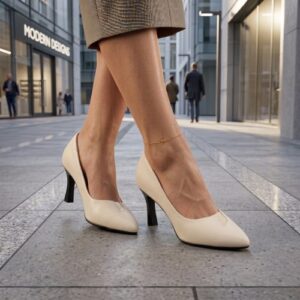
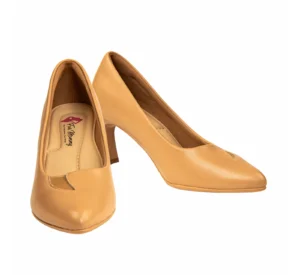
Sol – Maternity shoes
Comfortable Pregnancy Shoes: Style and Support That Walk With YouOriginal price was: $ 160.00.$ 99.00Current price is: $ 99.00. -
Sale!
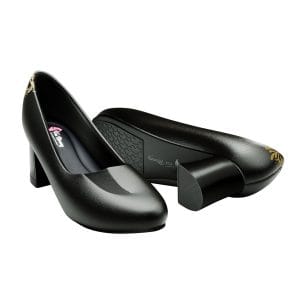
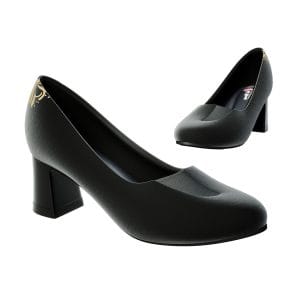
Amelia – Maternity shoes
Comfortable Pregnancy Shoes: Style and Support That Walk With YouOriginal price was: $ 160.00.$ 59.00Current price is: $ 59.00. -
Sale!
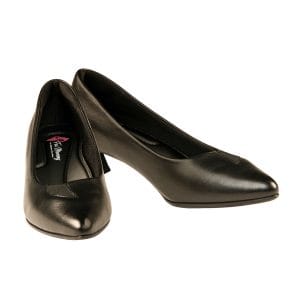
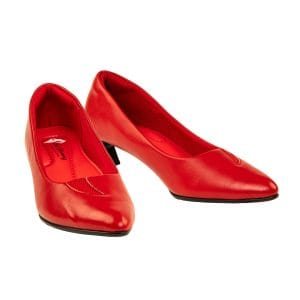
Nova – Maternity shoes
Comfortable Pregnancy Shoes: Style and Support That Walk With YouOriginal price was: $ 160.00.$ 120.00Current price is: $ 120.00. -
Sale!
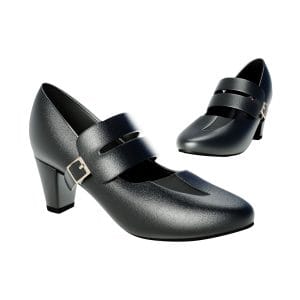
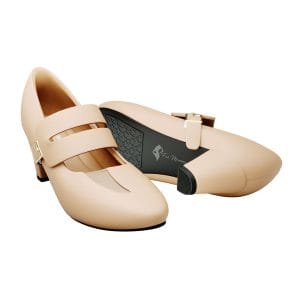
Isabella – Maternity shoes
Comfortable Pregnancy Shoes: Style and Support That Walk With YouOriginal price was: $ 160.00.$ 69.00Current price is: $ 69.00. -
Sale!
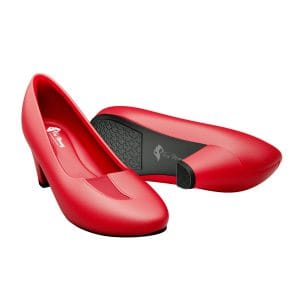
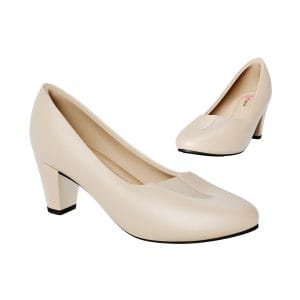
Olivia – Maternity shoes
Comfortable Pregnancy Shoes: Style and Support That Walk With YouOriginal price was: $ 160.00.$ 59.00Current price is: $ 59.00. -
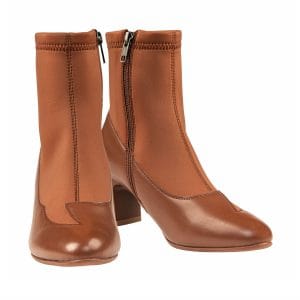
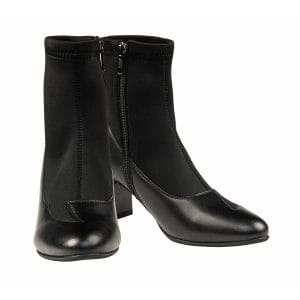
-
Sale!
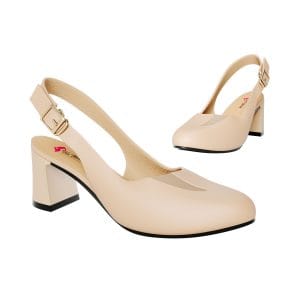
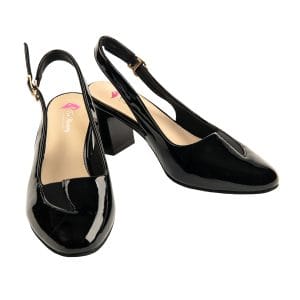
Sophia – Maternity shoes
Comfortable Pregnancy Shoes: Style and Support That Walk With YouOriginal price was: $ 160.00.$ 120.00Current price is: $ 120.00.